
What Nvidia H20s mean for China’s AI ambitions
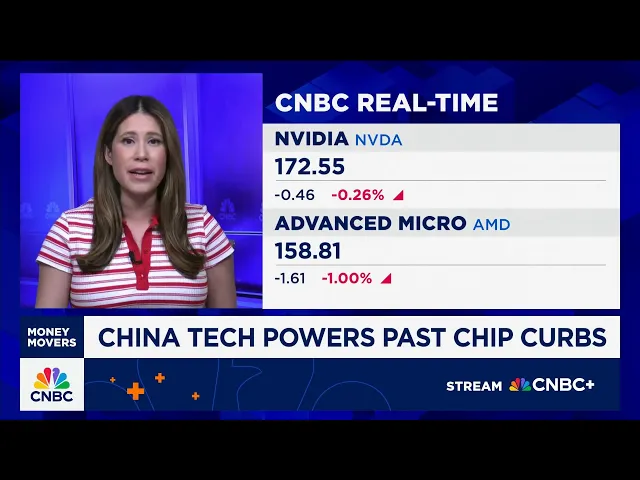
H20s may complicate China's AI future
Nvidia's dominance in the AI chip market continues to face geopolitical pressures as Washington restricts China's access to cutting-edge technology. The new H20 chips, designed specifically for the Chinese market as a response to US export controls, mark an interesting pivot in the ongoing tech cold war between the world's two largest economies. This compromise solution attempts to balance commercial interests with national security concerns, but questions remain about its effectiveness.
Key insights from Nvidia's China strategy
-
The H20 represents a deliberately hobbled version of Nvidia's top-tier AI chips, designed to comply with US export restrictions while still serving the massive Chinese market that accounts for roughly 20-25% of Nvidia's revenue.
-
This technology restriction creates significant performance gaps between what Chinese companies can access versus their Western counterparts, with H20 chips delivering only about 50% of the capabilities found in Nvidia's flagship H100 models.
-
China faces a difficult path to AI self-sufficiency despite investing billions in domestic chip development, as companies like Huawei still lag years behind in creating alternatives that match Nvidia's specialized hardware and software ecosystem.
-
The effectiveness of export controls remains questionable given China's history of finding workarounds through intermediaries, shell companies, and potentially reverse-engineering compromised designs.
The real battle extends beyond hardware
The most compelling aspect of this situation isn't just about the chips themselves—it's about the complex software ecosystem Nvidia has built around them. CUDA, Nvidia's proprietary programming platform, has become the de facto standard for AI development globally. This creates a much more challenging barrier for China than just the hardware limitations.
Unlike CPUs or other computing components, AI accelerators require specialized software frameworks to reach their full potential. Nvidia's decade-plus head start in developing this software layer means that even if Chinese companies manage to create comparable hardware, they would still need to replicate an entire development environment that thousands of AI applications and frameworks currently depend on.
This software advantage represents the true moat protecting Western AI dominance. While China can potentially develop competitive chips eventually, building a viable alternative to the CUDA ecosystem that developers actually adopt would be a far more challenging undertaking, potentially setting Chinese AI development back by years.
Historical
Recent Videos
How To Earn MONEY With Images (No Bullsh*t)
Smart earnings from your image collection In today's digital economy, passive income streams have become increasingly accessible to creators with various skill sets. A recent YouTube video cuts through the hype to explore legitimate ways photographers, designers, and even casual smartphone users can monetize their image collections. The strategies outlined don't rely on unrealistic promises or complicated schemes—instead, they focus on established marketplaces with proven revenue potential for image creators. Key Points Stock photography platforms like Shutterstock, Adobe Stock, and Getty Images remain viable income sources when you understand their specific requirements and optimize your submissions accordingly. Specialized marketplaces focusing...
Oct 3, 2025New SHAPE SHIFTING AI Robot Is Freaking People Out
Liquid robots will change everything In the quiet labs of Carnegie Mellon University, scientists have created something that feels plucked from science fiction—a magnetic slime robot that can transform between liquid and solid states, slipping through tight spaces before reassembling on the other side. This technology, showcased in a recent YouTube video, represents a significant leap beyond traditional robotics into a realm where machines mimic not just animal movements, but their fundamental physical properties. While the internet might be buzzing with dystopian concerns about "shape-shifting terminators," the reality offers far more promising applications that could revolutionize medicine, rescue operations, and...
Oct 3, 2025How To Do Homeless AI Tiktok Trend (Tiktok Homeless AI Tutorial)
AI homeless trend raises ethical concerns In an era where social media trends evolve faster than we can comprehend them, TikTok's "homeless AI" trend has sparked both creative engagement and serious ethical questions. The trend, which involves using AI to transform ordinary photos into images depicting homelessness, has rapidly gained traction across the platform, with creators eagerly jumping on board to showcase their digital transformations. While the technical process is relatively straightforward, the implications of digitally "becoming homeless" for entertainment deserve careful consideration. The video tutorial provides a step-by-step guide on creating these AI-generated images, explaining how users can transform...