Trump lays out AI Action Plan during keynote address at summit in Washington, D.C.
Trump's AI plan: America first in innovation
In a significant policy address at a Washington D.C. summit, former President Donald Trump outlined his vision for America's artificial intelligence future, positioning himself as both a champion and regulator of this transformative technology. Trump's remarks represent his most comprehensive stance on AI to date, blending his trademark "America First" approach with acknowledgment of both AI's enormous potential and its risks. At the core of his message was a clear battle line: the United States must not surrender its AI leadership to China or other competitors.
Key Points from Trump's AI Address
-
Regulatory philosophy: Trump advocated for a balanced approach to AI regulation—enough oversight to manage risks without stifling innovation through excessive government intervention. His position centers on preventing "unelected bureaucrats" from controlling AI development.
-
National security focus: The former president emphasized AI's critical role in military applications and national defense, connecting technological leadership directly to America's position on the world stage. He framed the AI race primarily as a competition with China.
-
Immigration policy connection: Interestingly, Trump linked AI policy to immigration, suggesting that foreign talent should benefit America first, with AI expertise being a factor in merit-based immigration decisions.
Expert Analysis: The Regulatory Paradox
The most insightful aspect of Trump's address was his attempt to resolve the inherent tension in conservative technology policy: how to maintain American technological dominance while adhering to free-market principles that resist government intervention. This matters tremendously in the current AI landscape, where companies are simultaneously asking for regulatory clarity while fearing innovation-killing restrictions.
Trump's solution appears to be selective regulation—strong government involvement in areas that directly affect national security or American competitiveness, coupled with a hands-off approach to private sector innovation. This bifurcated strategy represents a distinct alternative to the Biden administration's more comprehensive regulatory framework being developed through executive orders and agency actions.
Beyond the Speech: Context and Implications
What Trump didn't address is how his AI policies would interact with existing international frameworks. The European Union has already established the AI Act, creating the world's most comprehensive AI regulatory system. Any American AI policy—whether from Trump or another administration—will need to navigate a global landscape where other major economies have already set rules.
The speech also revealed a subtle shift in Trump's technology
More videos
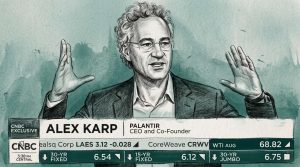
Alex Karp just told CNBC the AI industry is “effing insane.”
He’s right about one thing: AI isn’t overhyped, it’s mispriced. He’s also the guy selling you the fix....

Claude Fable 5: When Capability Meets Economics
Anthropic released Cloud Fable 5 with a paradox built in: safeguards sophisticated enough to let a mythosclass model...
Run Agentic AI Entirely on Your Mac—No Cloud, No Latency, No Privacy Tradeoffs
Apple’s MLX framework is mature enough now that you can run serious agentic AI workflows locally on Silicon...