No ‘woke AI’: Trump’s new ‘America First’ plan raise big questions about the future of tech
Trump's AI plan could reshape tech landscape
In a landscape increasingly dominated by artificial intelligence, political visions for technology regulation can significantly impact innovation trajectories and market dynamics. Donald Trump's recently unveiled "America First" AI policy framework represents a potential paradigm shift in how the United States might approach AI development and governance should he return to office. The proposal, which takes direct aim at what Trump characterizes as "woke AI," signals a remarkable departure from current regulatory approaches and raises fundamental questions about the intersection of technology, values, and national competitiveness.
Key aspects of Trump's proposed AI approach:
-
Deregulation and "anti-woke" positioning – Trump's plan centers on eliminating what he describes as ideological bias in AI systems, promising to fire regulators he believes are hampering innovation with "woke" requirements.
-
Government licensing system – Despite the deregulatory rhetoric, the plan introduces a potentially expansive government licensing regime for AI developers, creating a contradiction between the free-market language and proposed implementation.
-
Nationalist AI development framework – The proposal emphasizes American dominance in AI, potentially restricting foreign involvement while promoting domestic development with limited international collaboration.
The most striking element of Trump's AI plan lies in its fundamental contradictions. While wrapped in free-market rhetoric and anti-regulatory positioning, the proposal actually introduces a significant new regulatory structure through its licensing requirements. This represents a profound tension between the stated goal of unleashing innovation and the mechanisms proposed to achieve it. The plan effectively substitutes one form of regulation (current Biden administration approaches) with another (a Trump administration licensing system), rather than genuinely deregulating the space.
This tension matters immensely in the context of current industry trends. AI development has thrived in environments where regulatory clarity exists alongside thoughtful guardrails. Companies need predictable frameworks to make long-term investments, and the potential for regulatory whiplash between administrations creates precisely the kind of uncertainty that can chill innovation. Additionally, the global nature of AI development means that nationalist approaches risk isolating American companies from valuable international talent pools and collaborative research ecosystems.
What's notably absent from Trump's proposal is any substantive engagement with the technical challenges of defining and addressing bias in AI systems. The framing of "woke AI" sidesteps the complex reality that all AI systems reflect values in their
More videos
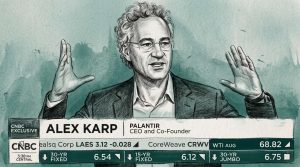
Alex Karp just told CNBC the AI industry is “effing insane.”
He’s right about one thing: AI isn’t overhyped, it’s mispriced. He’s also the guy selling you the fix....

Claude Fable 5: When Capability Meets Economics
Anthropic released Cloud Fable 5 with a paradox built in: safeguards sophisticated enough to let a mythosclass model...
Run Agentic AI Entirely on Your Mac—No Cloud, No Latency, No Privacy Tradeoffs
Apple’s MLX framework is mature enough now that you can run serious agentic AI workflows locally on Silicon...