Meta to Meet AI Power Demand with Nuclear Power
Meta turns to nuclear to power AI revolution
In a move that reveals just how much energy the AI gold rush demands, Meta is now exploring nuclear power solutions to feed its growing computational needs. CEO Mark Zuckerberg recently announced the company is in talks with nuclear power providers as part of a strategic push to secure reliable, carbon-free energy for its expanding AI infrastructure. This pivot comes as the tech giant positions itself for an AI-first future, with energy requirements that conventional renewable sources alone cannot satisfy.
Why Meta's nuclear strategy matters
-
AI's insatiable energy appetite is forcing tech giants to rethink their power sourcing. Meta's data centers already consume the equivalent electricity of countries like Greece or Austria, and their AI ambitions will only increase these demands significantly.
-
Nuclear power offers a reliable, carbon-free alternative that solves the intermittency problem plaguing solar and wind solutions, providing the stable, baseload power that AI infrastructure requires 24/7.
-
The regulatory and construction timeline challenges remain substantial, with new nuclear plants typically taking 5-10 years to build in the U.S. – pushing Meta toward innovative solutions like small modular reactors or partnering with existing nuclear operators.
-
This signals a broader tech industry shift away from the traditional renewable-only approach, as companies like Microsoft and Amazon are also exploring nuclear options to meet their growing computational power needs.
The energy crisis driving tech's nuclear revival
Meta's nuclear pivot represents perhaps the most significant acknowledgment yet of a growing reality in tech: AI development has an enormous and potentially unsustainable energy footprint. While the company previously committed to 100% renewable energy, the computational demands of training and running large language models and other AI systems have forced a pragmatic reassessment.
"The traditional renewable energy playbook is hitting its limits," explains Dr. Sarah Chen, energy policy analyst at Stanford University, who wasn't featured in the video. "Wind and solar are wonderful but intermittent. For AI workloads that require constant, reliable power at massive scale, something has to fill the gaps."
What makes this particularly notable is how it reflects the sheer scale of energy required for next-generation AI. As Meta plans to deploy 350,000 H100 GPUs this year (and competitors aim for similar or larger deployments), we
More videos
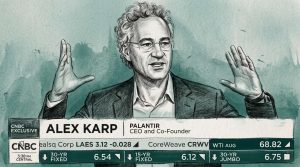
Alex Karp just told CNBC the AI industry is “effing insane.”
He’s right about one thing: AI isn’t overhyped, it’s mispriced. He’s also the guy selling you the fix....

Claude Fable 5: When Capability Meets Economics
Anthropic released Cloud Fable 5 with a paradox built in: safeguards sophisticated enough to let a mythosclass model...

Run Agentic AI Entirely on Your Mac—No Cloud, No Latency, No Privacy Tradeoffs
Apple’s MLX framework is mature enough now that you can run serious agentic AI workflows locally on Silicon...