How Not to Read a Headline on AI (ft. new Olympiad Gold, GPT-5 …)
Don't be fooled by AI headlines
The digital world has become a minefield of sensationalist headlines, particularly when it comes to artificial intelligence breakthroughs. In a recent video, prominent AI researcher Andrej Karpathy provides a masterclass in media literacy by examining how headlines about AI developments often mislead readers through careful wording and lack of context. His critical analysis arrives at a crucial moment when distinguishing between genuine AI progress and overblown claims has never been more important.
Key insights from Karpathy's analysis:
-
Headlines are deliberately crafted to mislead – Publishers use vague language and strategic omissions to make AI breakthroughs sound more revolutionary than they are, often manipulating facts to increase engagement.
-
Context is systematically stripped away – What might be a narrow achievement in a specific domain gets presented as a general capability, creating a false impression of AI systems' true abilities.
-
Technical details matter enormously – The difference between a model doing something in a highly controlled setting versus performing consistently in the real world is massive, yet headlines rarely make this distinction.
The cognitive bias we can't ignore
Perhaps the most valuable insight from Karpathy's analysis is how our cognitive biases make us susceptible to misleading headlines. When we read "AI can now X," our brains automatically fill in gaps with assumptions about what that capability means in practice. This mental shortcut—assuming a capability demonstrated in a narrow research context translates to robust real-world performance—creates a persistent gap between public perception and technical reality.
This matters tremendously because these misperceptions influence important decisions. Investors pour money into overhyped technologies, policymakers craft regulations based on incomplete understandings, and businesses adopt solutions before they're truly viable. The consequences ripple through the economy as resources get misallocated and opportunities for more meaningful progress are missed.
What the video doesn't cover: The economics of hype
Behind every misleading headline lies a complex ecosystem incentivizing exaggeration. Tech publications compete fiercely for attention in a crowded media landscape. Research labs and AI companies benefit from increased valuations and funding when their work appears groundbreaking. Even academic researchers face pressure to frame incremental advances as revolutionary breakthroughs to secure grants and recognition.
Consider OpenAI's roll
More videos
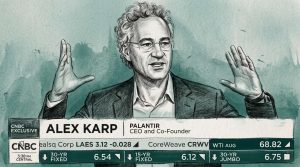
Alex Karp just told CNBC the AI industry is “effing insane.”
He’s right about one thing: AI isn’t overhyped, it’s mispriced. He’s also the guy selling you the fix....

Claude Fable 5: When Capability Meets Economics
Anthropic released Cloud Fable 5 with a paradox built in: safeguards sophisticated enough to let a mythosclass model...

Run Agentic AI Entirely on Your Mac—No Cloud, No Latency, No Privacy Tradeoffs
Apple’s MLX framework is mature enough now that you can run serious agentic AI workflows locally on Silicon...