China makes AI-generated videos to criticize Trump tariffs
AI propaganda wars escalate in global politics
In a significant development at the intersection of artificial intelligence and international relations, Chinese state media has deployed AI-generated content to criticize former President Donald Trump's proposed tariff policies. This strategic use of synthetic media marks an escalation in how governments are leveraging advanced AI tools to shape political narratives and public opinion across borders.
Key Developments
- China has created AI-generated videos featuring American farmers and workers expressing concerns about Trump's proposed 60% tariffs, distributing them through state media channels
- These videos blend real economic concerns with synthetic speakers, creating a powerful propaganda tool that's difficult for average viewers to identify as artificial
- This represents an early example of how AI-generated content is being weaponized in geopolitical conflicts, raising concerns about digital sovereignty and information integrity
The New Frontier of Digital Influence Operations
The most alarming aspect of this development isn't simply that AI is being used to create propaganda—it's how sophisticated and targeted these operations have become. These aren't crude deepfakes or obviously manipulated videos; they're carefully crafted messages designed to resonate with specific American demographics while appearing authentic enough to bypass immediate skepticism.
This matters tremendously because it signals the beginning of what security experts have long feared: the industrialization of persuasive synthetic media for political purposes. When foreign governments can create convincing American "citizens" voicing opinions that align with foreign policy objectives, we enter uncharted territory for democratic discourse. The barriers to entry for creating mass influence campaigns have dropped dramatically, while the sophistication of these campaigns has increased.
Beyond the Headlines: The Broader Implications
What the initial reporting on these videos doesn't fully explore is how this represents just one tactic in a broader information conflict. The Chinese government isn't simply responding to Trump's tariff proposals—it's demonstrating capabilities that send a message about information warfare readiness. These videos serve both as propaganda tools and as strategic signals to political opponents.
For business leaders, particularly those operating in international markets, this development requires a reassessment of digital risk profiles. Companies must now consider how synthetic media might be deployed against their brands, executives, or market positions during geopolitical tensions. This could include fake customer testimonials, manufactured product controversies, or synthetic executive statements—all created with increasing realism and decreasing production costs.
An
More videos
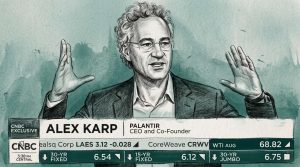
Alex Karp just told CNBC the AI industry is “effing insane.”
He’s right about one thing: AI isn’t overhyped, it’s mispriced. He’s also the guy selling you the fix....

Claude Fable 5: When Capability Meets Economics
Anthropic released Cloud Fable 5 with a paradox built in: safeguards sophisticated enough to let a mythosclass model...

Run Agentic AI Entirely on Your Mac—No Cloud, No Latency, No Privacy Tradeoffs
Apple’s MLX framework is mature enough now that you can run serious agentic AI workflows locally on Silicon...