Inside ChatGPT, AI assistants, and building at OpenAI — the OpenAI Podcast Ep. 2
Inside OpenAI: how Sam Altman builds products
Sam Altman has a unique approach to product development that has helped propel OpenAI to the forefront of artificial intelligence. In a recent podcast episode, he offered a rare glimpse into the leadership philosophy and product strategies that guide OpenAI's innovations. The conversation revealed not just how ChatGPT came to be, but the deeper thinking behind creating AI tools that genuinely serve users.
Key insights from Sam's approach
-
Balancing vision with iteration – Altman emphasizes having strong beliefs about product direction while remaining humble enough to rapidly adjust based on user feedback. This tension between conviction and flexibility appears central to OpenAI's success.
-
The "product feel" obsession – Rather than focusing exclusively on technical benchmarks, Altman prioritizes how products actually feel to users. This emotional dimension of product development helps explain why ChatGPT resonated when many similar models didn't.
-
Team structure matters – OpenAI organizes around small, empowered teams that maintain control over their product areas, avoiding the bureaucratic overhead that often hampers innovation at larger companies.
-
Direct user engagement – Leadership, including Altman himself, regularly uses their products and studies user feedback firsthand, creating shorter feedback loops than typical corporate structures allow.
Why the "feel" focus matters more than you think
The most compelling takeaway from Altman's discussion is his emphasis on product feel over technical specifications. While most AI companies obsess over benchmark scores and capability listings, OpenAI seems uniquely focused on the subjective experience of using their tools. This approach represents a fundamental shift in how AI products are conceived and evaluated.
This matters because the AI industry has historically privileged technical achievements over user experience. The field's academic roots created a culture where paper citations and benchmark leaderboards often determined success. OpenAI's consumer focus—treating AI as a product rather than just a technology—helps explain why ChatGPT achieved mainstream adoption while technically similar systems remained confined to research labs.
The broader tech industry is now recognizing this shift. Companies rushing to integrate AI are discovering that raw capability isn't enough—implementation quality and user experience determine whether these tools actually deliver value. This realization is reshaping how companies approach AI integration, moving from capability demonstrations to thoughtful
More videos
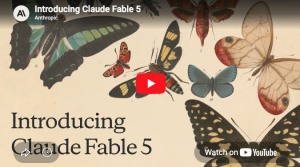
Claude Fable 5: When Capability Meets Economics
Anthropic released Cloud Fable 5 with a paradox built in: safeguards sophisticated enough to let a mythosclass model...

Run Agentic AI Entirely on Your Mac—No Cloud, No Latency, No Privacy Tradeoffs
Apple’s MLX framework is mature enough now that you can run serious agentic AI workflows locally on Silicon...

Hermes Agent Master Class
Welcome to the Hermes Agent Master Class — an 11-episode series taking you from zero to fully leveraging...