Apple Intelligence is Apple’s Calculated Late Arrival to the AI Race

In the summer of 1997, Steve Jobs stood on stage at Macworld Boston and made a startling announcement. Apple would accept a $150 million investment from its arch-rival Microsoft. The tech world was aghast. But Jobs knew something fundamental about timing: sometimes, being last can be an advantage. Twenty-seven years later, Apple finds itself in a similarly pivotal moment with its entry into the AI arena – but this time, the story is different.
The Art of the Slow Reveal
When Tim Cook announced Apple Intelligence with iOS 18.1, he didn’t just launch a product – he unveiled a philosophy. “Apple Intelligence is generative AI in a way that only Apple can deliver, and we’re incredibly excited about its ability to enrich our users’ lives” he declared. It wasn’t just marketing speak. While competitors raced to release standalone AI chatbots, Apple was quietly weaving artificial intelligence into the fabric of its operating system.
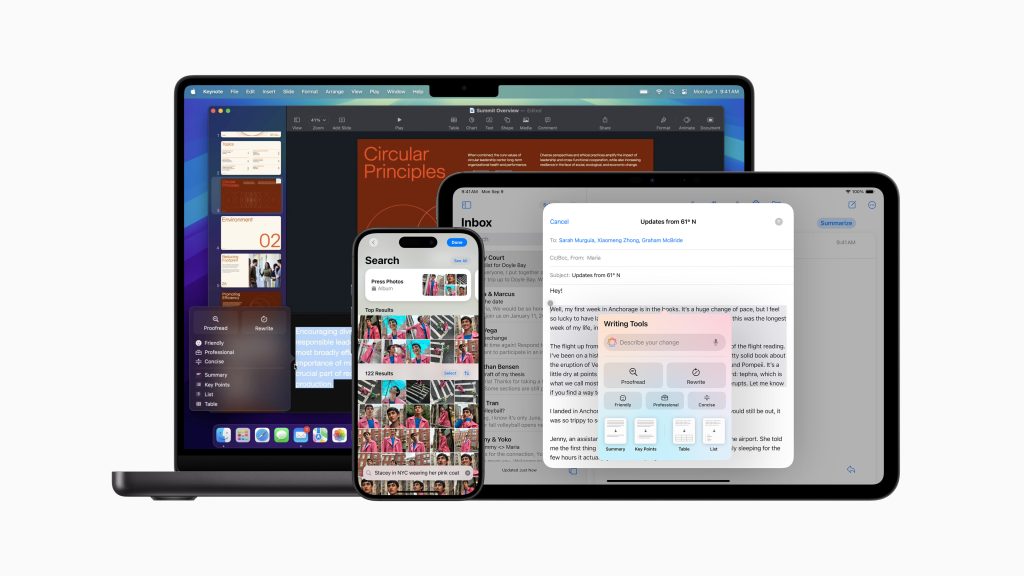
Consider how Writing Tools, one of the first features to launch, approaches the problem of AI assistance. Instead of creating yet another chat interface, Apple integrated AI directly into the places where people actually write – Mail, Messages, Notes, Pages, and even third-party apps. It’s not just about what the AI can do; it’s about where and how it does it.
The Intelligence Beneath
The initial release reveals a surprisingly comprehensive vision. Take the Photos app, for instance. Where other companies might have simply added basic AI tagging, Apple has created what they call “natural language search.” Want to find that moment where Maya was skateboarding in a tie-dye shirt? Just describe it, and the AI finds it – even within videos, jumping to the exact moment you’re looking for.
But it’s in the smaller details where Apple’s approach becomes most apparent. The new Clean Up tool doesn’t just remove unwanted objects from photos – it preserves the authenticity of the moment. The system can even create custom movies based on natural language descriptions, crafting narrative arcs from your photo library with an understanding of both visual content and storytelling.
The Privacy Paradox Solved
Here’s where Apple’s late entry starts to look less like hesitation and more like strategy. Craig Federighi, Apple’s senior vice president of Software Engineering, revealed what might be the most significant innovation: Private Cloud Compute. It’s a system that extends the privacy and security of iPhone into the cloud – something that seemed technically impossible just a few years ago.
This isn’t just marketing. We have heard that Apple has taken the extraordinary step of allowing independent experts to inspect the code running on their silicon servers. It’s a level of transparency unprecedented in the AI industry, addressing the fundamental tension between AI capability and privacy protection.
The December Surprise
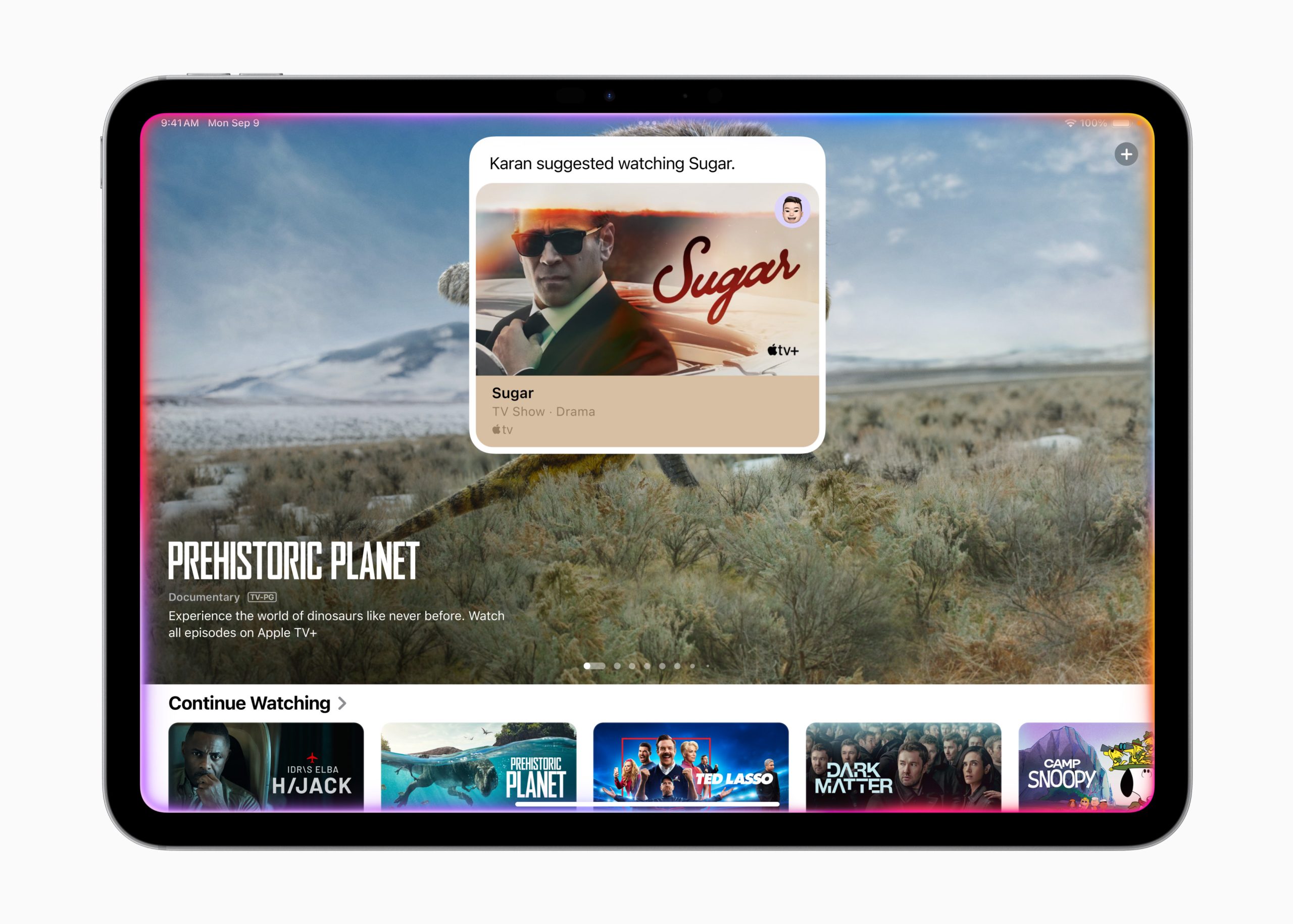
But what’s coming in December might be even more interesting. Apple isn’t just catching up – they’re reimagining core experiences. Genmoji will allow users to create original emoji from descriptions. Image Playground and Image Wand will turn rough sketches into polished artwork. Even Siri is getting a complete overhaul, with the ability to maintain context across conversations and answer thousands of questions about Apple products.
The integration with ChatGPT is particularly telling. Rather than simply embedding OpenAI’s technology, Apple has created a privacy-preserved interface where users can access ChatGPT’s capabilities without creating an account, with their IP addresses obscured and requests not stored by OpenAI.
The Long Game Reveal
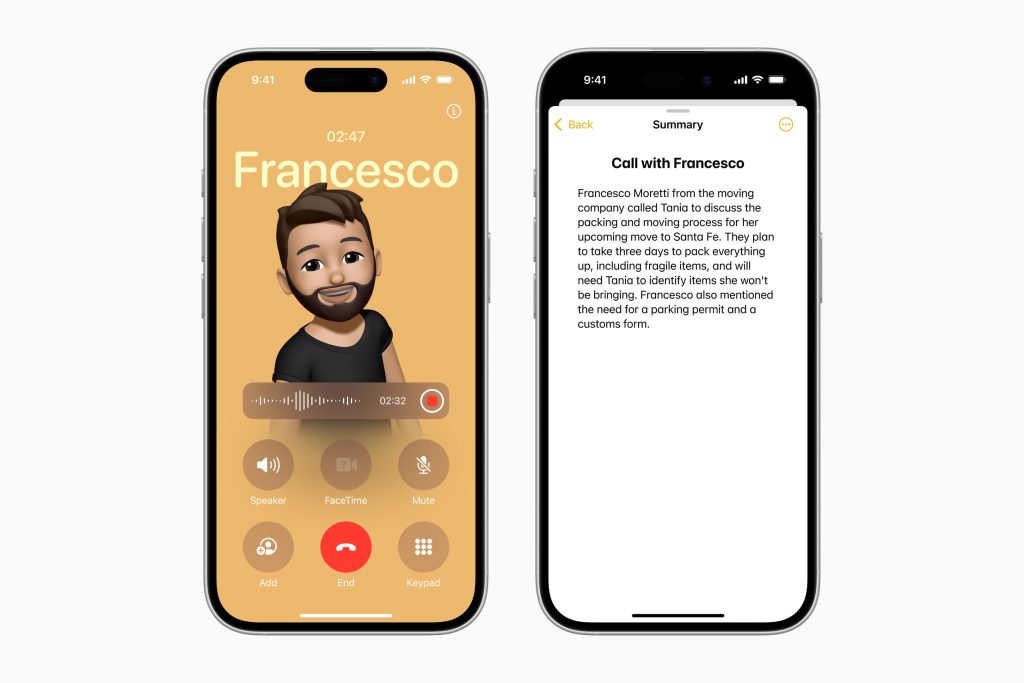
What emerges is not a story of a company playing catch-up, but of one playing a different game entirely. While others rushed to market with general-purpose AI, Apple has been methodically building what they call a “personal intelligence system” – one that understands not just language and images, but context and privacy.
The staggered rollout, which initially seemed like a sign of hesitation, now appears more like a carefully orchestrated symphony. Each feature builds on the last, creating an ecosystem where AI isn’t just a feature but a fundamental part of how we interact with our devices.
The Waiting Game Ends or The Smart Game?
Will this strategy pay off? The initial release shows promise, but the real test will come with the December updates and beyond. Apple’s bet isn’t just on AI technology – it’s on the idea that AI should be personal, contextual, and private.
As one Apple engineer told us off the record, “We’re not trying to win the AI race. We’re trying to change what winning means.” In that light, Apple’s delayed entry might not have been a delay at all, but rather the time needed to get AI right.
The question isn’t whether Apple is late to the AI party. The question is whether they’ve just redefined what the party is about.
More like this

Schools Chose AI Detection Over AI Fluency. Now Your Kid Is on Your Clock.
More than half of America’s K-12 teachers cannot tell you what their school’s policy on AI is. Not...

Which Job Gets Its 1000X Next
Somewhere out there is a developer shipping in a week what used to eat a team for a...

Treebeard Is Waking Up To AI
There is a particular kind of person you learn to distrust in business: the one who urges everyone...